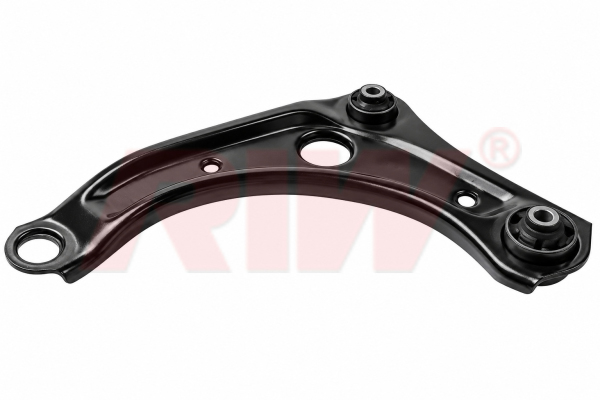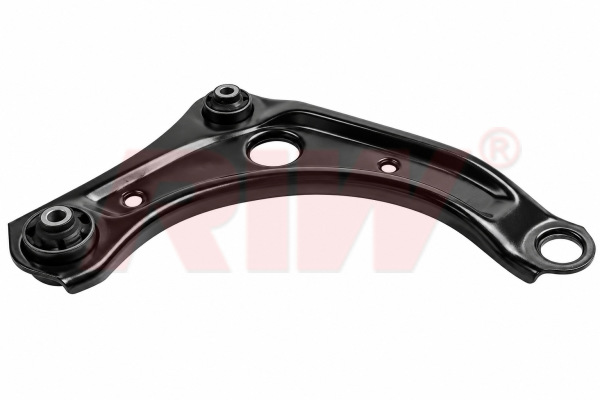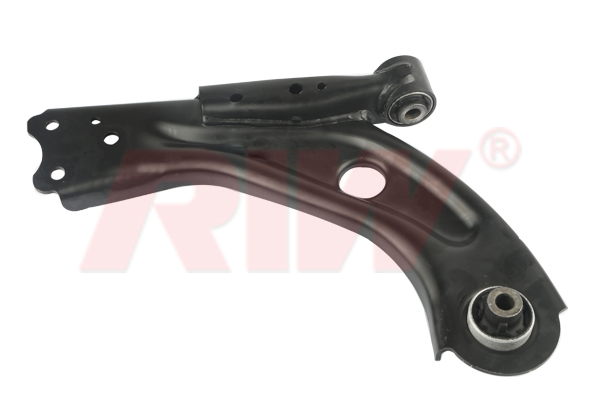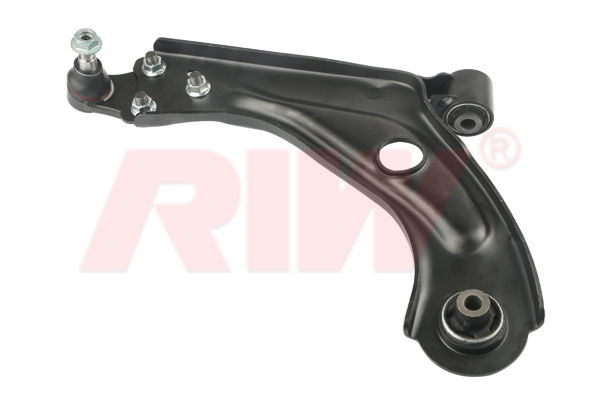



What is a Transmission Mounting?
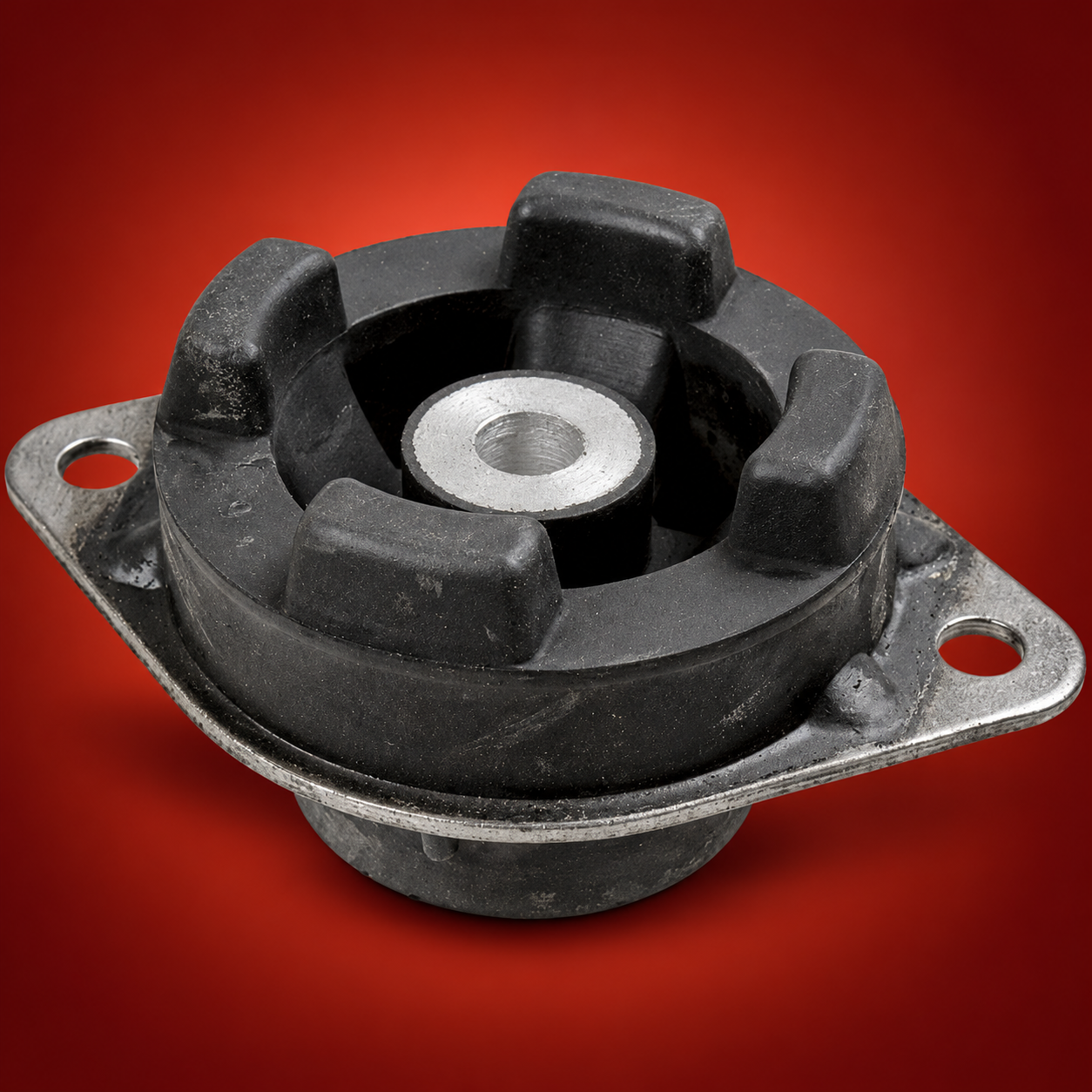
Transmission mounting refers to the system of brackets and rubber or hydraulic mounts that secure the transmission to the vehicle's chassis. The transmission mounts serve two main purposes: to isolate the transmission vibrations from the rest of the vehicle, and to keep the transmission securely in place.
Transmission vibrations can cause discomfort to passengers and can also lead to excessive wear on other components of the vehicle, such as the drive shaft and differential. By isolating the transmission vibrations through the use of rubber or hydraulic mounts, transmission mounting helps to reduce the amount of noise, vibration, and harshness (NVH) in the vehicle.
At the same time, transmission mounts must also keep the transmission securely in place and prevent excessive movement that could cause damage to other components or lead to a loss of control of the vehicle. Transmission mounts are typically made from durable materials, such as steel or aluminum, and are designed to withstand the forces generated by the transmission during normal operation.
When should a Transmission Mounting be replaced?
Here are some signs that indicate it's necessary to replace a transmission mount:
- Excessive transmission movement: If the transmission moves excessively when the vehicle is in operation, it may be a sign that one or more transmission mounts have failed.
- Vibration: If the vehicle has increased vibration, especially when shifting gears or accelerating, it may be due to a damaged or worn transmission mount.
- Noise: Transmission mounts that have failed can cause a knocking or clunking noise when driving over bumps or rough roads.
- Drive shaft misalignment: If the drive shaft is not properly aligned, it can cause excessive wear on other components and lead to a loss of power and efficiency.
- Transmission damage: Worn or damaged transmission mounts can cause the transmission to rub against other components, leading to transmission damage or failure.
- Age: Over time, transmission mounts can wear out, even if they show no visible signs of damage. It is recommended to replace them as a preventive measure, especially if the vehicle has covered a high mileage.
If you suspect that your transmission mounts are damaged or worn, it's best to have a professional mechanic inspect the mounts and perform the necessary repairs. Driving a vehicle with worn transmission mounts can be dangerous and can cause damage to other components, so it's important to address any issues as soon as possible.
How to install a Transmission Mounting
Assembling a transmission mounting typically involves the following steps:
- Gather tools and materials: You'll need a socket set, torque wrench, and various other tools to assemble the transmission mounting.
- Remove the old transmission mount: Use the socket set to remove the nuts and bolts that secure the old transmission mount to the transmission and the vehicle's chassis.
- Install the new transmission mount: Align the new transmission mount with the mounting points on the transmission and the chassis, and secure it using the nuts and bolts that were removed from the old transmission mount.
- Torque the nuts and bolts: Use a torque wrench to tighten the nuts and bolts to the manufacturer's specifications, ensuring that the transmission mount is properly secured.
- Reinstall any removed components: If you had to remove any other components of the engine or the suspension system during the assembly process, such as hoses or cables, reinstall them now.
- Test the vehicle: Once the assembly is complete, test the vehicle to ensure that the transmission is properly mounted and that there are no noises or vibrations.
Note: Assembling a transmission mounting is a complex task that requires specialized tools and a thorough understanding of a vehicle's transmission and suspension system. If you're not confident in your abilities, it's best to have a professional mechanic handle the assembly for you. Improperly assembled transmission mounts can cause damage to the transmission, the suspension, and other components of the vehicle, so it's important to ensure that the assembly is done correctly. It is recommended to consult the vehicle manufacturer's manual or a professional mechanic for specific instructions.
Explore the RIW range
Find this product in our online catalogue.