


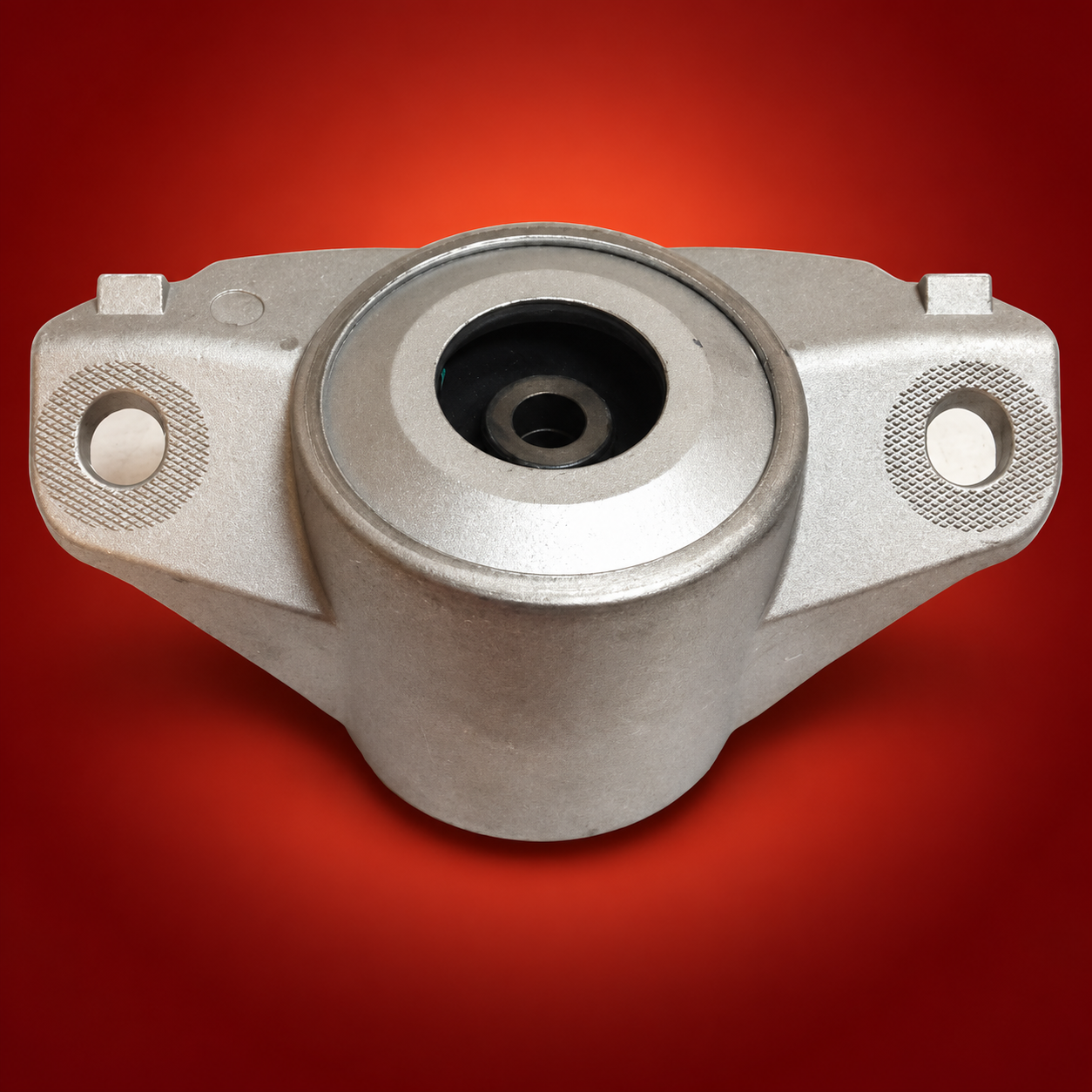
What is a Strut Mounting?
Strut mounting refers to the mounting of a strut assembly, which is a key component in a car's suspension system. The strut assembly includes a shock absorber and a spring that are mounted together in a single unit. The strut assembly helps to absorb bumps and vibrations in the road and maintain the stability of the vehicle. The mounting of the strut assembly involves securing it to the vehicle's chassis using special brackets and nuts, ensuring that the assembly is properly aligned and able to perform its function effectively.
When should a Strut Mounting be replaced?
There are several signs that indicate it's necessary to replace a strut mounting:
- Noise: A worn or damaged strut mounting can cause a knocking or clunking noise when driving over bumps.
- Vibration: If you feel a vibration in the steering wheel or the floor when driving, it may be a sign of a faulty strut mounting.
- Poor handling: A worn strut mounting can affect the vehicle's handling and stability, making it harder to control the car and leading to increased risk of accidents.
- Leaks: If the strut mounting has a leak, it can cause the oil to escape from the shock absorber, reducing its effectiveness.
- Visible damage: If the strut mounting is visibly damaged or corroded, it should be replaced.
- Age: Over time, strut mountings can wear out, even if they show no visible signs of damage. It is recommended to replace them as a preventive measure, especially if the vehicle has covered a high mileage.
In general, it is best to have a professional mechanic inspect the strut mounting if you suspect any problems, to ensure that the issue is properly diagnosed and the correct repair is made.
How to install a Strut Mounting
The assembly of a strut mounting involves the following steps:
- Gather tools and materials: You'll need a socket set, torque wrench, and a spring compressor, among other tools, to assemble the strut mounting.
- Remove the old strut assembly: Remove the nuts and bolts that secure the old strut assembly to the vehicle's chassis and carefully remove it from the vehicle.
- Compress the spring: Use a spring compressor to compress the spring on the old assembly, so that you can remove the old strut mount.
- Install the new strut mount: Place the new strut mount onto the compressed spring and release the spring compressor.
- Install the new strut assembly: Carefully align the new strut assembly with the mounting points on the vehicle's chassis and secure it using the nuts and bolts that were removed from the old assembly.
- Torque the nuts and bolts: Use a torque wrench to tighten the nuts and bolts to the manufacturer's specifications, ensuring that the strut assembly is properly secured.
- Reinstall any removed components: If you had to remove any other components of the suspension system during the assembly process, such as brake lines or sway bar links, reinstall them now.
- Test the vehicle: Once the assembly is complete, test the vehicle to ensure that it is handling properly and that there are no noises or vibrations.
Note: Assembling a strut mounting is a complex and dangerous task that requires specialized tools and a thorough understanding of a vehicle's suspension system. If you're not confident in your abilities, it's best to have a professional mechanic handle the assembly for you. It is recommended to consult the vehicle manufacturer's manual or a professional mechanic for specific instructions.
Explore the RIW range
Find this product in our online catalogue.