


What is a Ball Joint?
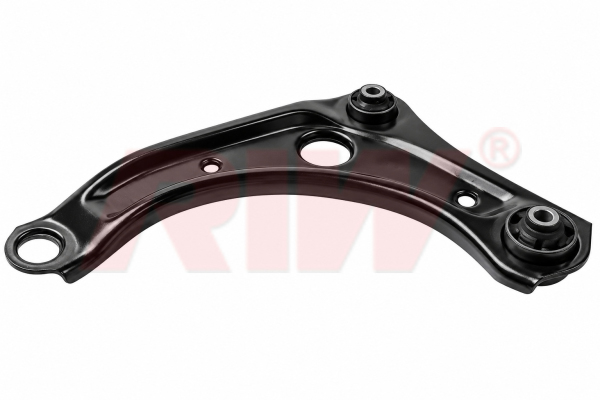
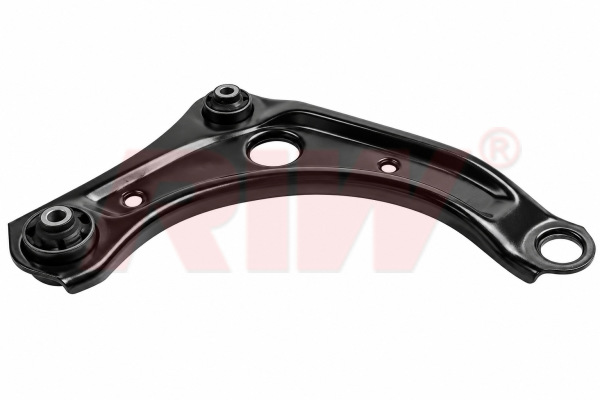
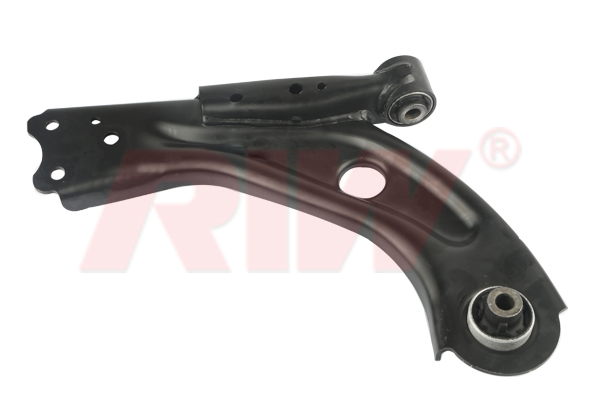
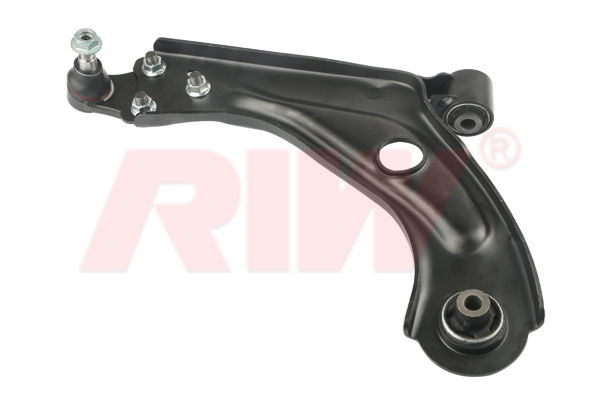
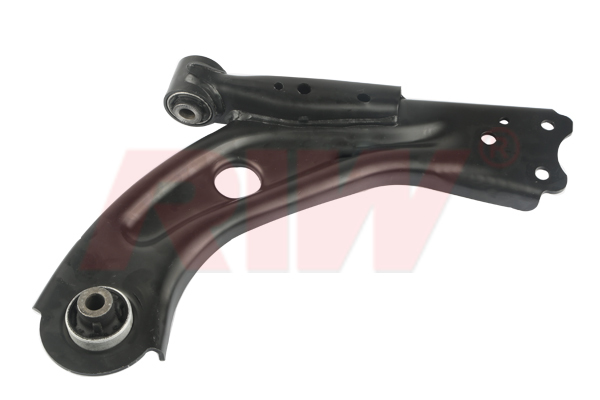
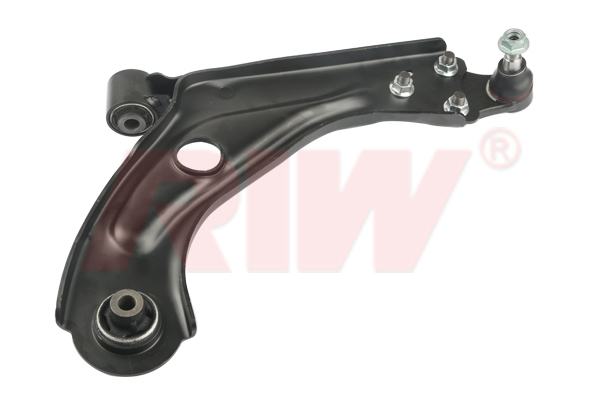
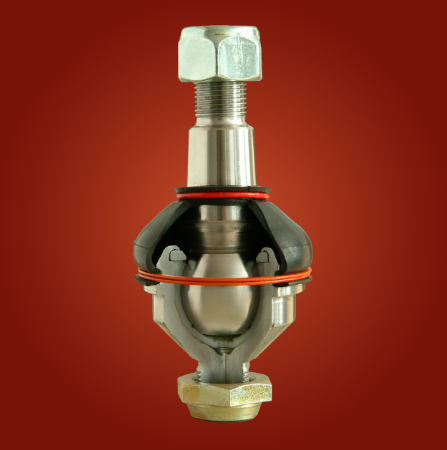
A ball joint is a mechanical component that connects two parts of a vehicle suspension system, allowing them to move in different directions while maintaining a secure connection. It's part of the control arm, which helps to control the position of the wheels and allows for smooth up and down movement of the suspension. The ball joint consists of a ball and socket design, where the ball fits into a socket that is attached to the control arm, and a stud that connects to the steering knuckle. This design allows for a wide range of motion, which helps to maintain stability and control during driving.
When should a Ball Joint be replaced?
A ball joint is typically replaced when it wears out or fails due to age or excessive use. Some signs that a ball joint may need to be replaced include:
- Uneven tire wear: If the ball joint is worn, it can cause the tires to wear unevenly, which can affect handling and safety.
- Clunking sounds: If you hear a clunking or knocking sound when driving over bumps, it may be a sign that the ball joint is loose or worn.
- Steering issues: If the ball joint is worn, it can affect the vehicle's alignment, which can result in shaking or vibrations in the steering wheel, making it difficult to control the vehicle.
- Suspension problems: If the ball joint is worn, it can cause the suspension to sag or lose stability, which can affect ride comfort and handling.
It's recommended to replace a worn ball joint as soon as possible to ensure the safe operation of the vehicle and prevent further damage to other suspension components.
How to install a Ball Joint
Here are the general steps for assembling a ball joint:
- Clean the ball joint: Clean the ball joint and the surrounding areas to remove any dirt or debris.
- Apply grease: Apply a generous amount of grease to the ball joint and surrounding areas to prevent corrosion and improve lubrication.
- Install the stud: Install the ball joint stud into the control arm, making sure it's properly aligned.
- Attach the socket: Attach the socket to the stud, making sure it's fully seated.
- Secure the castle nut: Tighten the castle nut using a socket set and ratchet or impact wrench.
- Install the cotter pin: Install a new cotter pin to secure the castle nut in place.
- Test the ball joint: Test the ball joint by jacking up the vehicle and moving the suspension up and down to make sure it's functioning properly.
The ball joint is typically assembled in the control arm, which connects the suspension to the vehicle frame. It's a critical component of the suspension system, allowing the wheels to move up and down while maintaining proper alignment and stability. It is recommended to consult the vehicle manufacturer's manual or a professional mechanic for specific instructions.
Explore the RIW range
Find this product in our online catalogue.