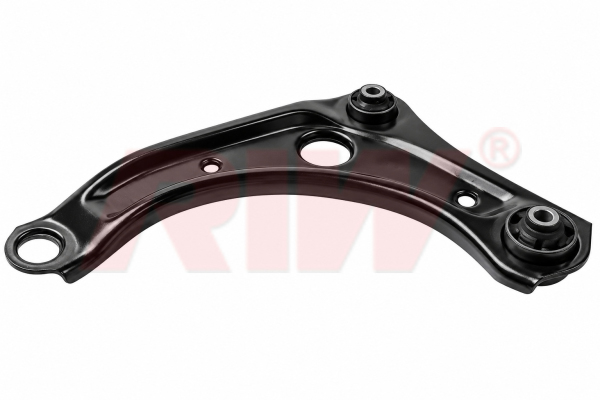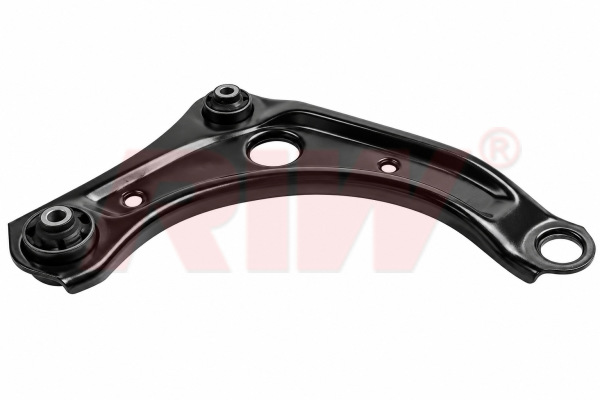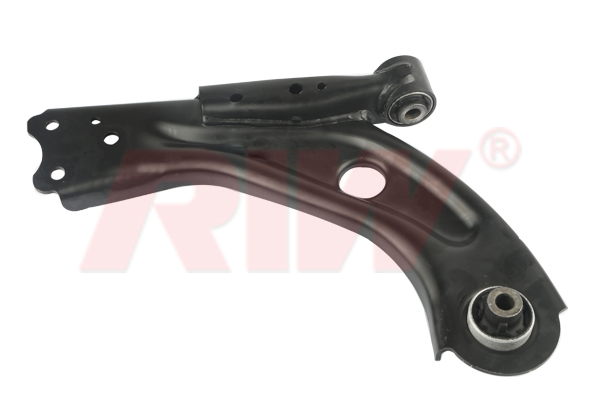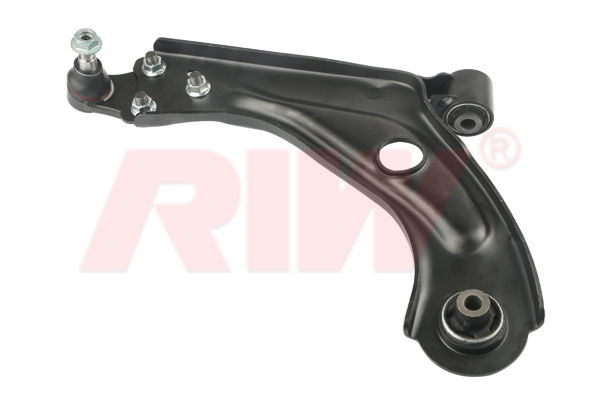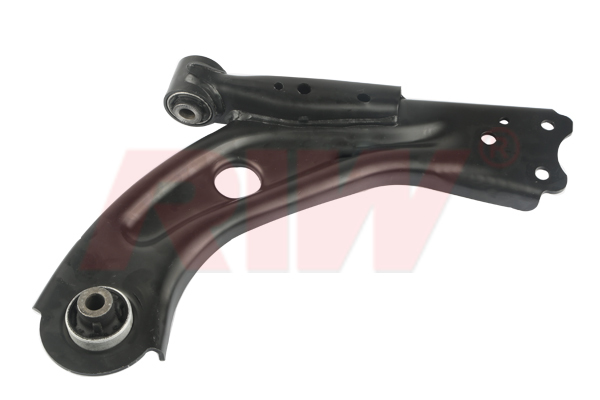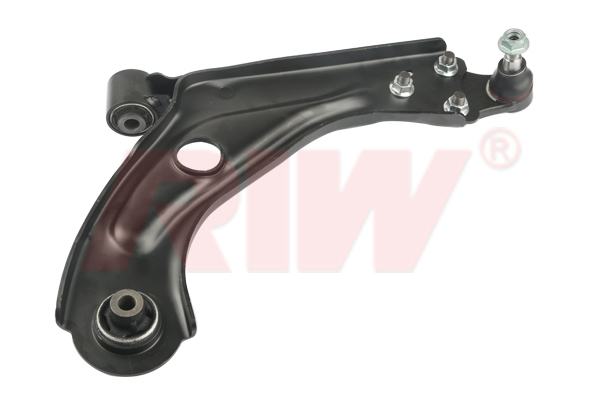



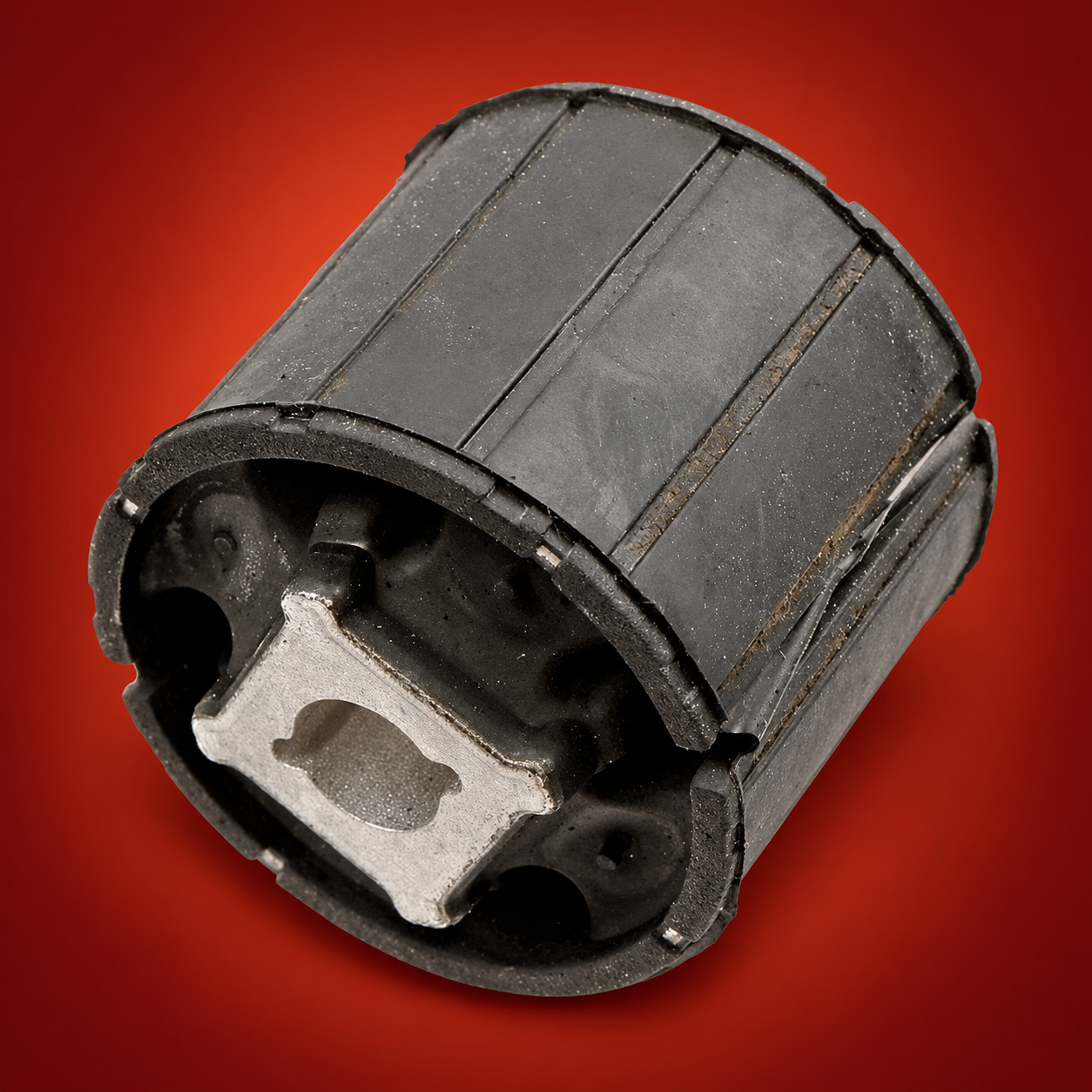
What is a Rear Carrier (Torsion) Bushing?
Rear Carrier (Torsion) Bushing is a type of bushing used in automobiles, typically in the suspension system. It is located in the rear suspension carrier and serves as a pivot point between the suspension components, allowing them to move and absorb shock. The torsion bushing is designed to handle both torsional and lateral loads, providing stability and comfort to the vehicle.
When should a Rear Carrier (Torsion) Bushing be replaced?
A Rear Carrier (Torsion) Bushing may need to be replaced if it is worn or damaged. Some common signs that the bushing may need to be replaced include:
Clunking or rattling noises while driving over bumps
Uneven tire wear
Loose handling or unstable ride
Excessive vibration
Visible signs of damage, such as cracks or splits in the rubber
It is generally recommended to have the Rear Carrier (Torsion) Bushing inspected periodically and replaced if necessary to maintain the proper operation of the suspension system and ensure a smooth, comfortable ride. If you notice any of the above symptoms, it is best to have the vehicle inspected by a professional mechanic to determine the cause of the problem and make the necessary repairs.
How to install a Rear Carrier (Torsion) Bushing
The assembly process for a Rear Carrier (Torsion) Bushing will vary depending on the specific vehicle and the design of the suspension system. However, here is a general outline of the steps involved:
- Prepare the vehicle: Jack up the vehicle and secure it on jack stands. Remove the wheels to allow access to the suspension components.
- Remove the old bushing: Remove the nuts or bolts that hold the bushing in place and remove the old bushing. Clean the surface around the bushing to ensure a good surface for the new bushing to bond to.
- Install the new bushing: Apply a small amount of lubricant to the inside of the bushing to make it easier to install. Carefully align the bushing with the mounting holes and insert the bolts or nuts. Tighten them evenly to ensure the bushing is properly seated.
- Check the alignment: Once the new bushing is installed, inspect the suspension components to make sure they are properly aligned. Make any necessary adjustments to ensure the suspension is functioning correctly.
- Reinstall the wheels: Replace the wheels and lower the vehicle off the jack stands.
It's important to follow the manufacturer's instructions and to use the proper tools to ensure a secure and leak-free installation. If you're not experienced with this type of work, it's best to have a professional handle the assembly to ensure that it's done properly and safely. It is recommended to consult the vehicle manufacturer's manual or a professional mechanic for specific instructions.
Explore the RIW range
Find this product in our online catalogue.