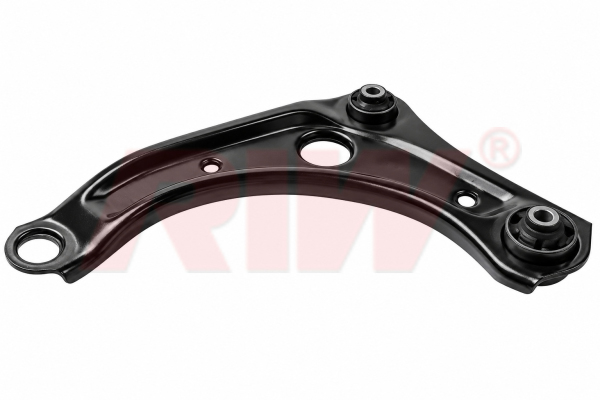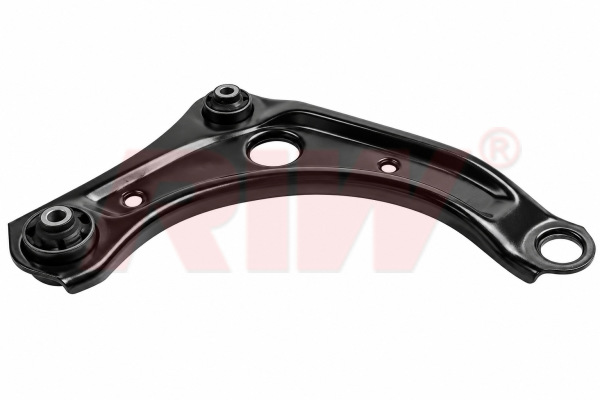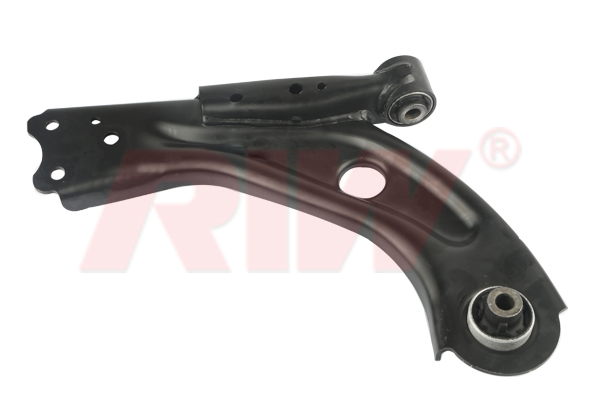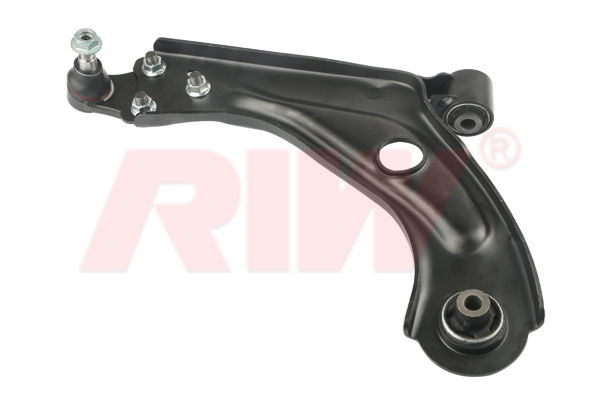



What is a Repair Kit?
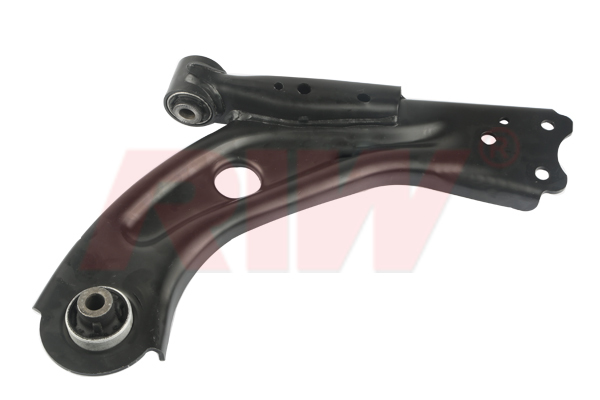
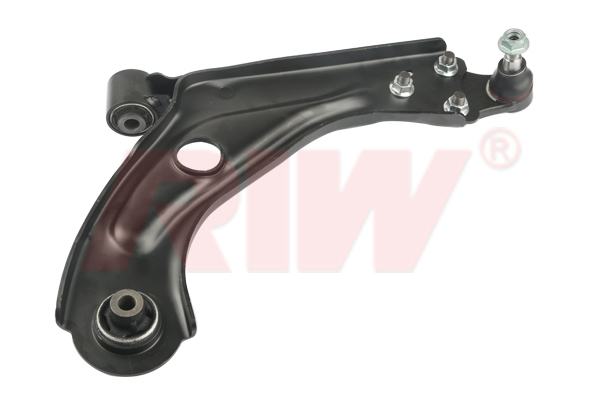
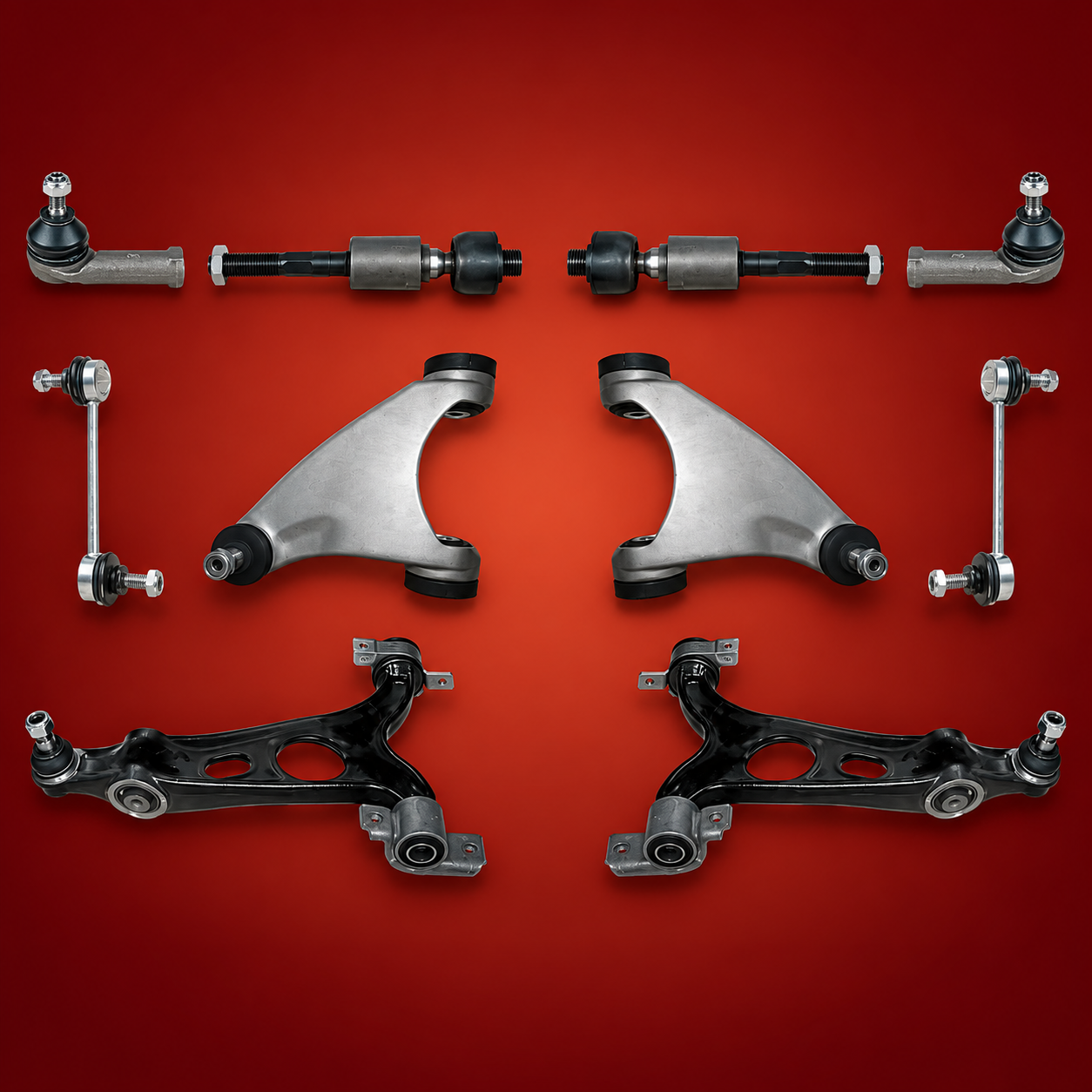
Repair Kit is a collection of components that are used to repair or replace worn or damaged parts in the steering and suspension systems of a vehicle. The kit typically includes parts such as ball joints, tie rod ends, axial joints, link stabilizers, control arms, bushings, and other components that are subject to wear and tear over time. The kit may also include tools and/or hardware needed to complete the repair. The goal of a steering and suspension repair kit is to restore the proper functioning of these systems, which are essential for the safe and controlled handling of a vehicle. The contents of a repair kit may vary depending on the make and model of the vehicle, so it's important to choose a kit that is compatible with your specific car and needs.
When should a Repair Kit be replaced?
It is necessary to replace steering and suspension parts when they show signs of wear or damage. Some common indicators that it may be time to replace these parts include:
- Poor handling: If your vehicle pulls to one side or wanders on the road, it may indicate that the steering and suspension components are worn and need to be replaced.
- Uneven tire wear: If the tires are wearing unevenly, it can be a sign that the suspension components are worn and need to be replaced.
- Bouncing or swaying while driving: If your vehicle bounces or sways excessively while driving, it may indicate that the suspension components are worn and need to be replaced.
- Rattling or clunking noises: If you hear rattling or clunking noises when driving over rough roads or when turning, it may indicate that the suspension components are worn and need to be replaced.
- Loose steering: If the steering wheel feels loose or sloppy, it may indicate that the steering components are worn and need to be replaced.
It is important to replace worn or damaged steering and suspension parts to ensure the safe handling and stability of your vehicle. If you are not confident in your ability to diagnose and repair these components, it is recommended to seek professional assistance.
How to install a Repair Kit
Assembling a Steering and Suspension Repair Kit typically involves installing individual components into the appropriate locations on a vehicle. The exact steps to assemble the kit will depend on the specific components included and the make and model of the vehicle. Here are some general steps to follow:
- Gather necessary tools and equipment: You will need basic hand tools such as sockets, wrenches, pliers, and a hammer, as well as any specialized tools indicated in the kit instructions.
- Locate the components to be replaced: Refer to the vehicle's service manual to determine the location of the worn or damaged components.
- Remove the old components: Use the appropriate tools to remove the nuts and bolts that secure the old components in place. In some cases, a press or specialized tool may be required to remove the components.
- Clean the components and mounting points: Clean the components and the mounting points on the vehicle to ensure a secure and stable connection.
- Install the new components: Carefully follow the instructions included with the kit to install the new components in their proper locations. Make sure to tighten the nuts and bolts to the manufacturer's specified torque.
- Test the steering and suspension: Start the engine and test the steering and suspension to make sure they operate smoothly. If necessary, make adjustments to the alignment.
Note: This is a general guideline and the steps may vary slightly depending on the make and model of the car. It is recommended to consult the vehicle's service manual for specific instructions. Installing a Steering and Suspension Repair Kit is a complex task that requires a good understanding of vehicle mechanics. If you are not confident in your abilities, it is recommended to seek professional assistance. It is recommended to consult the vehicle manufacturer's manual or a professional mechanic for specific instructions.
Explore the RIW range
Find this product in our online catalogue.