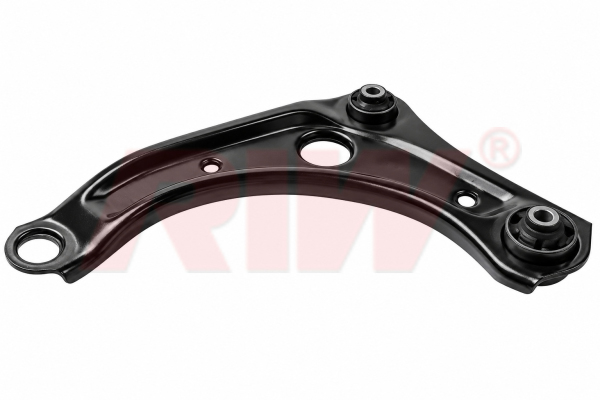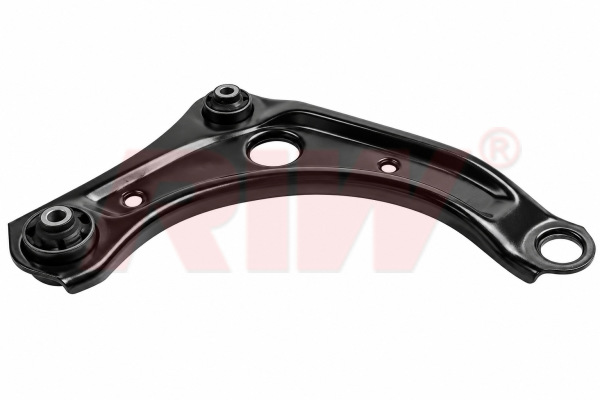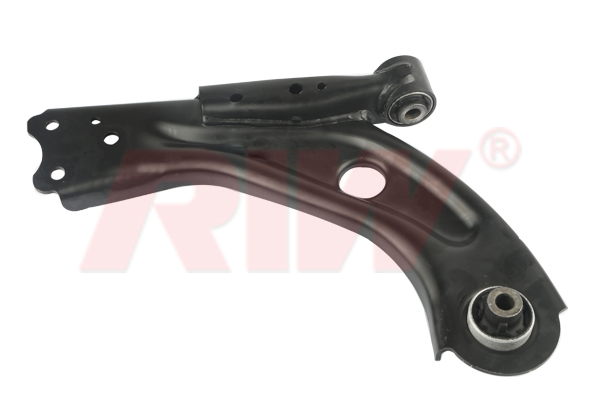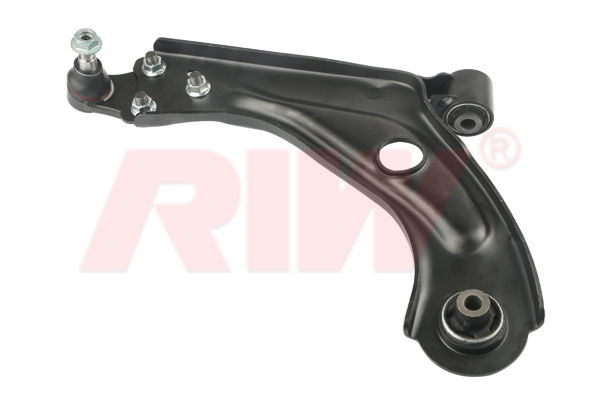



What is a Link Stabilizer?
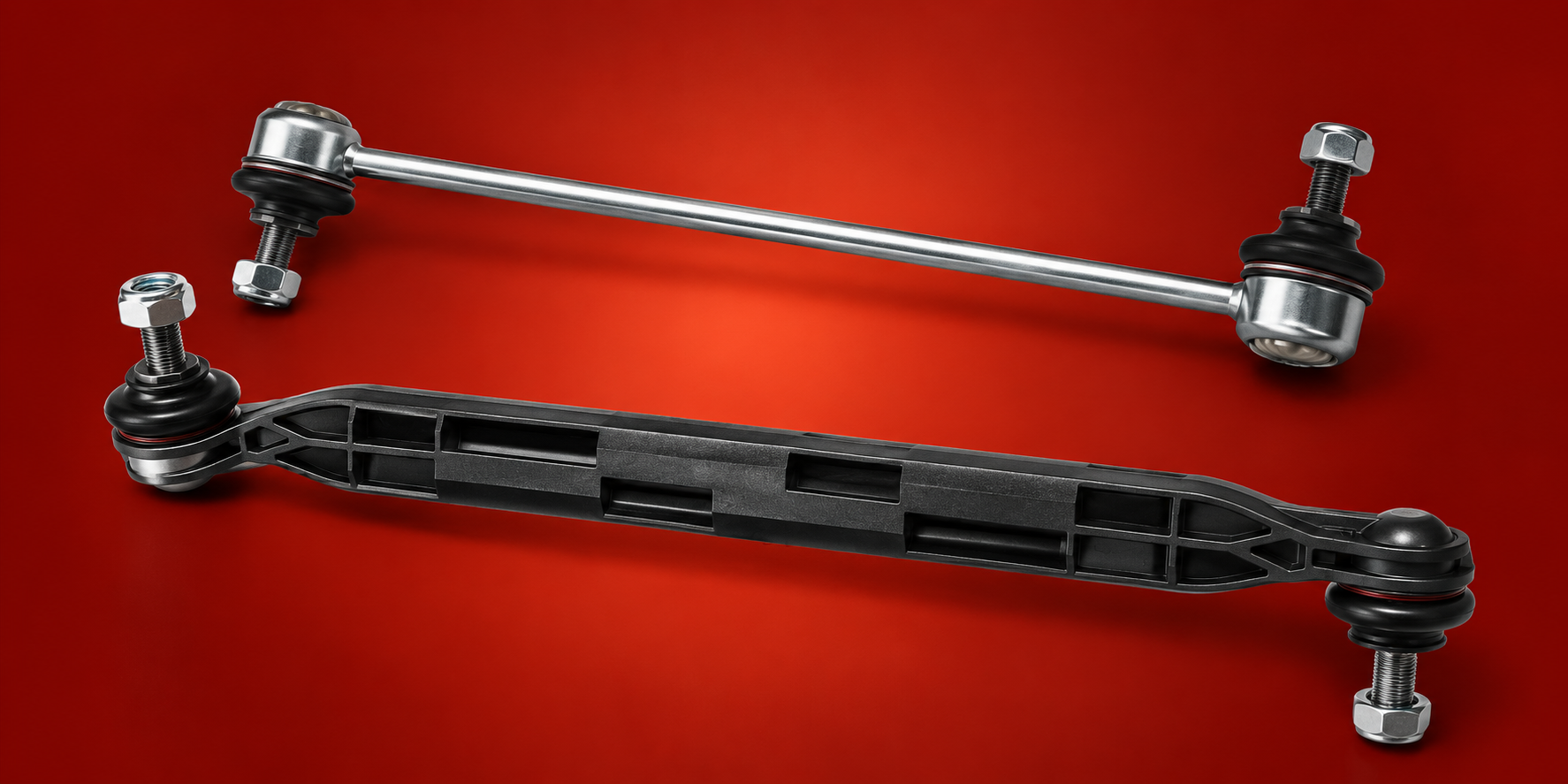
A link stabilizer in the suspension system of a vehicle is a component that is designed to improve the stability and handling of the vehicle. It is typically mounted between the suspension and the chassis, and it works by controlling the movement of the suspension and reducing unwanted movements or vibrations that can occur during driving. By doing so, a link stabilizer can improve the ride quality and handling of the vehicle, and help maintain tire contact with the road, providing better grip and stability.
The exact design of a link stabilizer in a suspension system can vary, but it typically consists of two pivot points and a connecting rod or bar. The pivot points allow the link stabilizer to move as the suspension compresses and extends, while the connecting rod or bar helps to control the movement of the suspension. Some link stabilizers are adjustable, allowing for fine-tuning of the suspension system, and some can be upgraded with aftermarket components for improved performance.
When should a Link Stabilizer be replaced?
A link stabilizer may need to be replaced if it has become damaged, worn out, or if it is no longer functioning properly. Some signs that a link stabilizer may need to be replaced include:
- Noise: A clunking or rattling noise coming from the suspension system can indicate that a link stabilizer has become loose or is damaged.
- Vibration: Excessive vibration or shaking of the vehicle during driving can be a sign of a worn or damaged link stabilizer.
- Unusual handling: If the vehicle is handling abnormally, such as pulling to one side or experiencing excessive body roll, this can be a sign of a worn or damaged link stabilizer.
- Visible damage: If a link stabilizer is visibly bent, cracked, or otherwise damaged, it should be replaced as soon as possible.
It is important to replace a damaged or worn link stabilizer as soon as possible to maintain the stability and handling of the vehicle. In some cases, neglecting to replace a damaged link stabilizer can lead to further damage to the suspension system or other components, resulting in a more costly repair.
How to install a Link Stabilizer
Assembling a link stabilizer in a suspension system can be a complex and technical process that requires specialized tools and knowledge. The exact steps for assembling a link stabilizer will depend on the make, model, and year of the vehicle, as well as the specific design of the link stabilizer itself.
Generally, the following steps can be involved in assembling a link stabilizer in a suspension system:
- Prepare the vehicle: Jack up the vehicle and secure it on jack stands. Remove the old link stabilizer and any other components that may be in the way. Clean and inspect the mounting points for the link stabilizer for any damage.
- Install the link stabilizer: Lubricate the pivot points and any other moving parts of the link stabilizer. Mount the link stabilizer to the suspension and chassis using the hardware provided, following the manufacturer's specifications.
- Tighten the hardware: Tighten the bolts and nuts that secure the link stabilizer to the suspension and chassis to the manufacturer's specifications. Check the link stabilizer for proper movement and function.
- Install other components: Reinstall any other components that were removed, such as brackets, bushings, and sway bar links.
- Test the vehicle: Once the link stabilizer has been installed and all components have been reinstalled, test the vehicle to ensure that the link stabilizer is functioning properly. Check for any unusual sounds or movements, and make any necessary adjustments.
It is important to follow the manufacturer's instructions and specifications when assembling a link stabilizer in a suspension system, and to use the proper tools and equipment. If you are not experienced in automotive repair and suspension work, it is recommended that you seek the assistance of a professional mechanic. It is recommended to consult the vehicle manufacturer's manual or a professional mechanic for specific instructions.
Explore the RIW range
Find this product in our online catalogue.