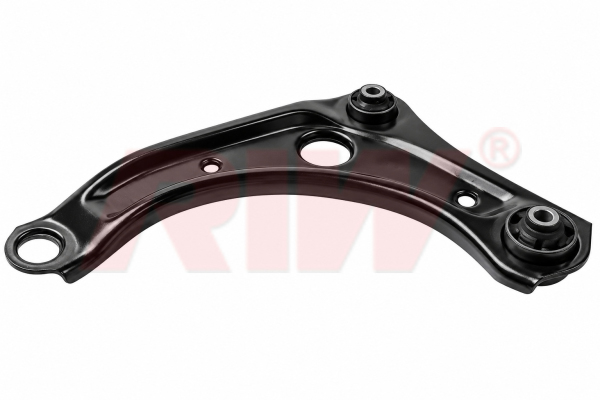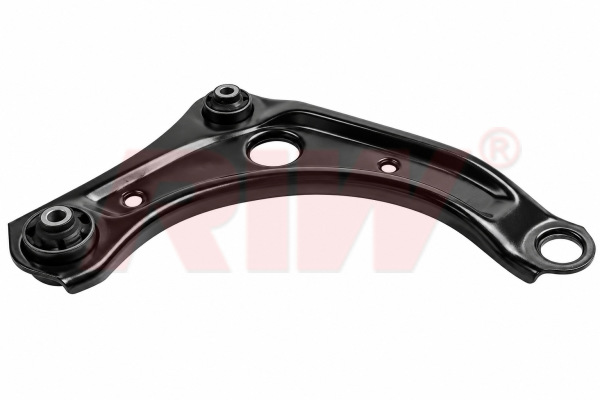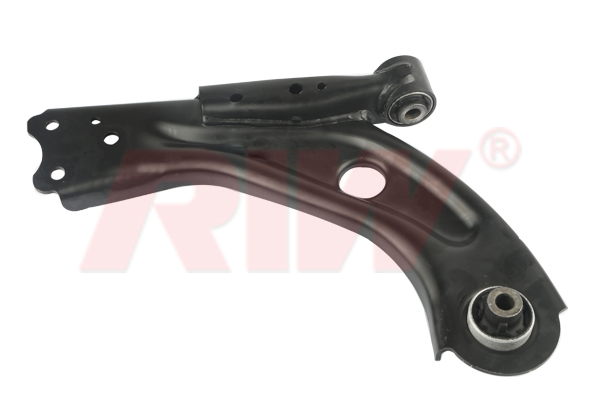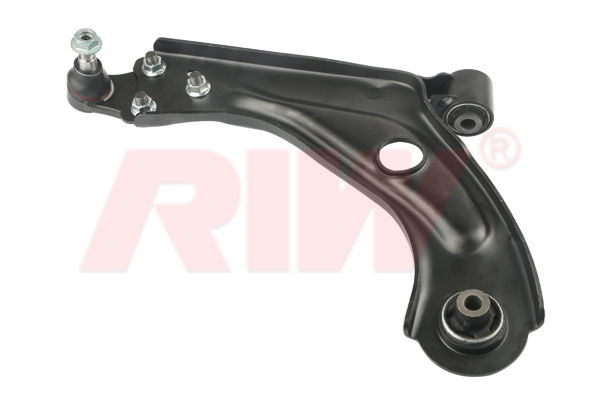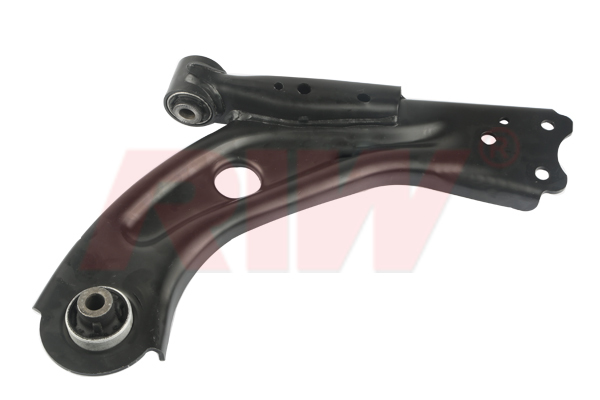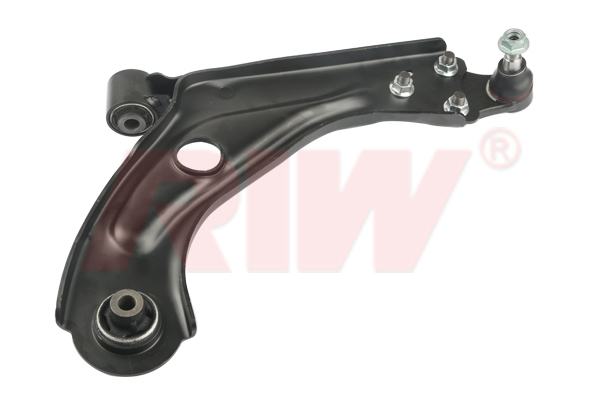



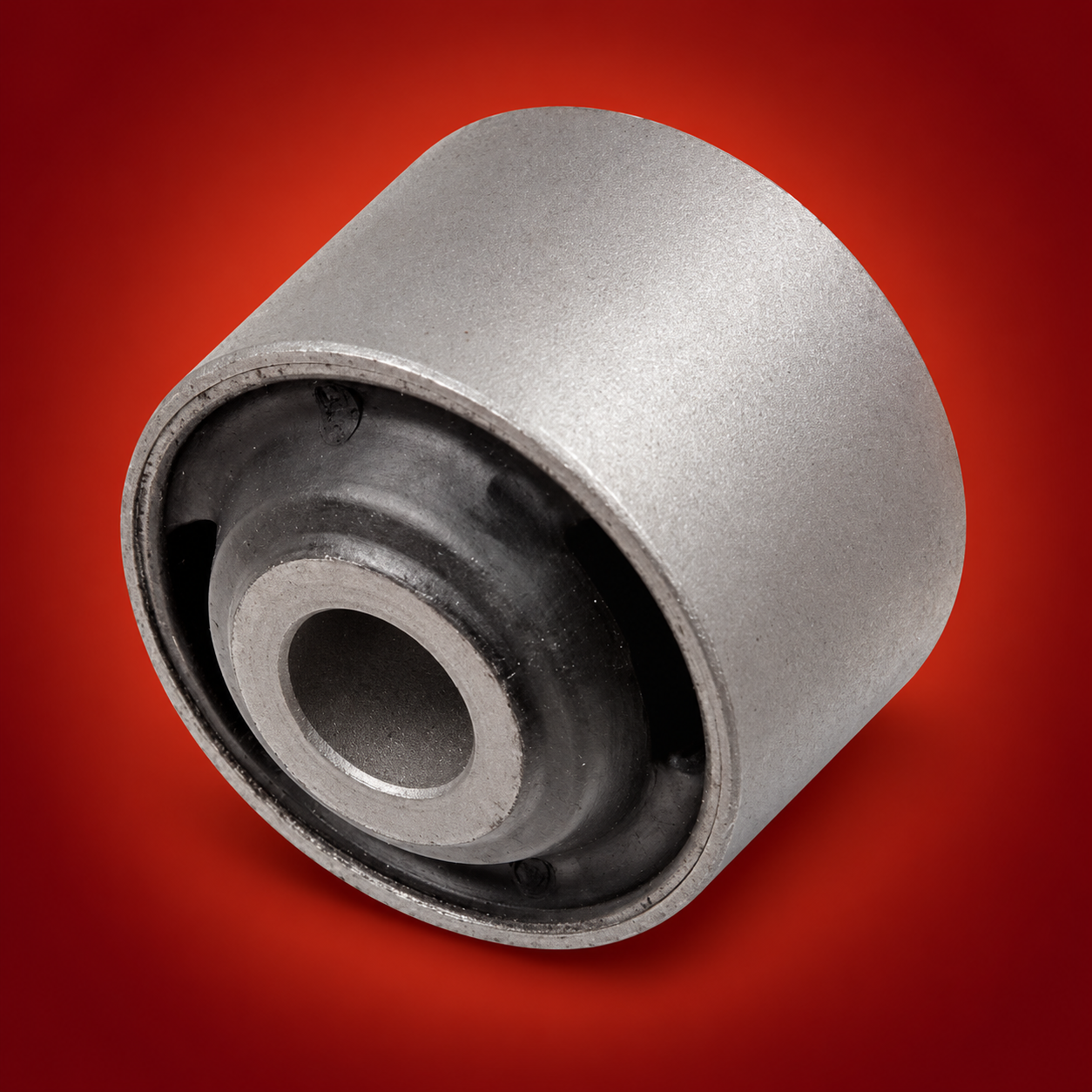
What is an Axle Support Bushing?
The axle support bushing is a type of suspension component in a vehicle that helps to support and isolate the axle and drive shaft. It is typically a rubber or polyurethane bushing that is mounted between the axle housing and the vehicle frame, reducing road vibrations and noise from being transmitted to the cabin. This helps to improve the overall driving experience and reduce wear and tear on the axle and drive shaft components. The axle support bushing plays an important role in maintaining the stability and alignment of the vehicle's wheels and axles.
When should an Axle Support Bushing be replaced?
The axle support bushing should be replaced if it shows signs of wear, such as cracking, splitting, or deformation. If the bushing is worn, it can cause increased road noise and vibration, as well as instability and misalignment in the wheels and axles. This can lead to further wear and damage to other components, such as the drive shaft and suspension components.
It is recommended to inspect the axle support bushings during routine maintenance and replace them if necessary. The frequency of replacement can vary based on driving conditions and the type of vehicle, but generally, they should be inspected every 50,000 to 60,000 miles. If you experience any unusual vibration or noise, it is recommended to have the bushings inspected sooner.
How to install an Axle Support Bushing
The process of assembling an axle support bushing typically involves the following steps:
- Preparation: Gather all necessary tools and materials, including the new bushing, bushing press, grease, and any special lubricants required for the specific type of bushing.
- Removal of the old bushing: Remove the bolts that secure the axle housing to the vehicle frame and carefully lift the axle housing to remove the old bushing.
- Clean the mating surfaces: Clean and inspect the mating surfaces of the axle housing and the vehicle frame to ensure they are free of any dirt, debris, or old grease.
- Apply grease: Apply a thin layer of grease to the inside of the new bushing to help it slide into place.
- Install the new bushing: Use the bushing press to install the new bushing into the axle housing. Ensure that the bushing is centered and properly seated in the housing.
- Reinstall the axle housing: Reinstall the axle housing onto the vehicle frame, making sure to tighten the bolts to the manufacturer's specifications.
- Test the installation: Start the engine and test the installation by driving the vehicle on a smooth road to feel for any vibrations or noise.
It's important to follow the manufacturer's instructions and to use the proper tools to ensure a secure and leak-free installation. If you're not experienced with this type of work, it's best to have a professional handle the assembly to ensure that it's done properly and safely. It is recommended to consult the vehicle manufacturer's manual or a professional mechanic for specific instructions.
Explore the RIW range
Find this product in our online catalogue.